Deathbed visions
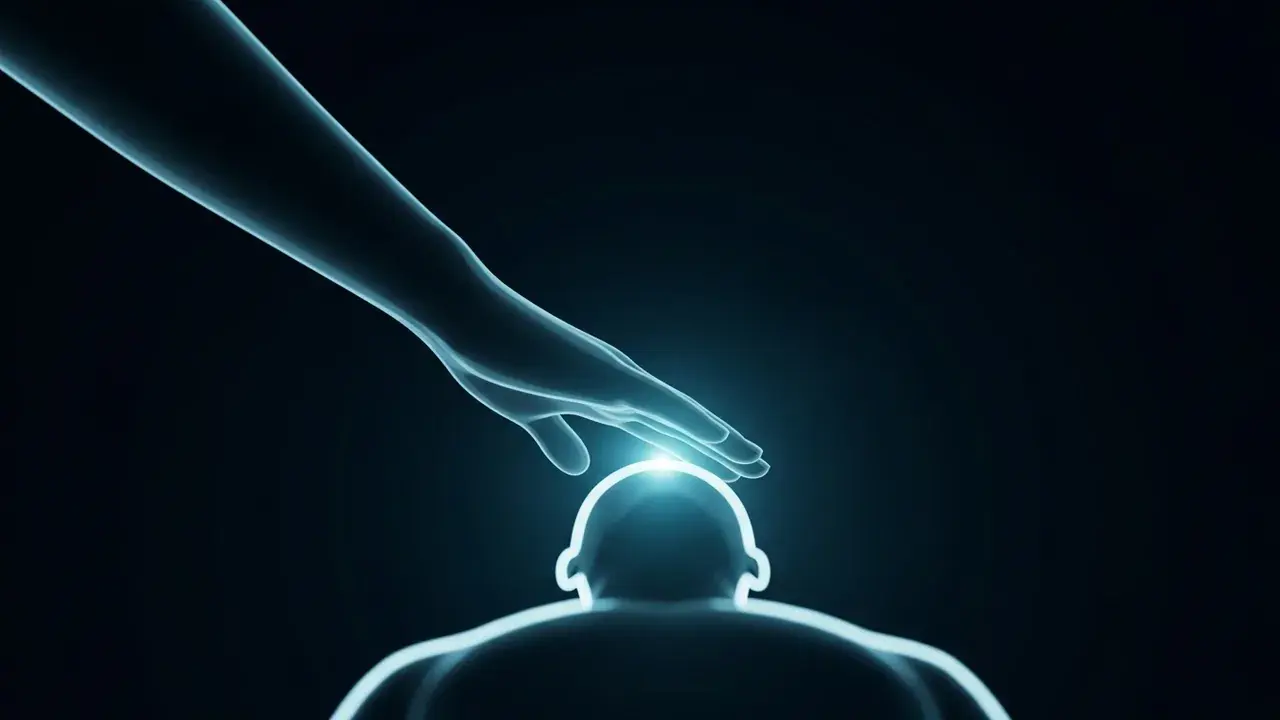
Do dying people commonly see deceased loved ones?
Dying patients commonly report visits from deceased loved ones. Cross-cultural pattern with deep clinical familiarity.
The white-paper layer for this claim
This page is backed by 3 linked sources: 3 verified, 2 primary, 0 direct objections, and 0 methodology anchors. The full source list stays at the bottom so the claim, objections, and citations can be checked together.
The institutional home for serious empirical work on past-life memories and survival-related anomalies.
A strong clinical source for deathbed-vision pages because it studies the experience in hospice patients without requiring a survivalist interpretation.
Reasonable general-audience starting point for these phenomena, especially for distinguishing clinical reports from afterlife interpretation.
What people actually report
The reports exist and deserve examination. The question is how much weight to give them.
Deathbed visions are experiences reported by dying patients — often hours or days before death — in which deceased relatives, religious figures, or symbolic guides appear to come for them. They've been documented in nursing and palliative care since at least Karlis Osis's mid-20th-century surveys. Patients are usually lucid when they report them, and the visions tend to be comforting rather than frightening.
The strongest arguments in favour
Before examining the objections — here are the reasons thoughtful people take this seriously, regardless of where it ultimately lands.
- 01Hospice clinicians report deathbed visions as a familiar, recurring phenomenon.
- 02Studies of end-of-life dreams document consistent comforting content.
- 03Cross-cultural prevalence weakens cultural-priming objections.
The strongest objections
Now the other side. These are the most compelling reasons to remain skeptical.
- 01Mostly observational and retrospective.
- 02Hypoxia, medication, and end-of-life delirium can produce vivid imagery.
- 03Selection bias: comforting visions are more reported than disturbing ones.
Where this stands
Having seen the best case on both sides, here is our overall read.
Deathbed visions are common, cross-cultural, and meaningful to the dying and bereaved. Whether they involve actual contact, end-of-life brain dynamics, or both is unsettled.
That a recognizable cluster of comforting visionary experiences accompanies many deaths.
That deceased loved ones are objectively present, or that the visions are veridical contact.
Phenomenon vs interpretation
The signature distinction. We score the underlying observation separately from the metaphysical framework usually attached to it.
Evidence the reported observation is real.
Evidence the bigger explanation is correct.
Headline score (defaults to phenomenon score for phenomena).
Distance between data and conclusion.
What a thoughtful person might do with this
Receive the dying person's reports without correction; they are usually meaningful and almost always comforting.
How belief in this can go wrong
Pressure to interpret as proof of afterlife can override what the dying person actually said or wanted.
Audit trail
The 11 internal criteria informing the headline scores. They're not arithmetically averaged — they're the audit trail.
Related research reports
Longer synthesis pages that place this claim inside a wider evidence cluster.
A balanced synthesis of the strongest and weakest evidence across afterlife, consciousness, reincarnation, mystical, psi, and practice claims.
A comparative guide to the strongest survival-adjacent evidence: NDEs, terminal lucidity, deathbed visions, past-life memories, mediumship, and after-death communication.
Related claims
Sources & Further Reading
Our goal is to link to original studies, academic sources, and serious critiques wherever possible. Scores are provisional until sources are verified.
Primary sources
Division of Perceptual Studies — Publications
The institutional home for serious empirical work on past-life memories and survival-related anomalies.
End-of-life dreams and visions: A longitudinal study of hospice patients' experiences
A strong clinical source for deathbed-vision pages because it studies the experience in hospice patients without requiring a survivalist interpretation.
Further reading
Deathbed phenomena
Reasonable general-audience starting point for these phenomena, especially for distinguishing clinical reports from afterlife interpretation.
Research and sources for this claim
A balanced synthesis of the strongest and weakest evidence across afterlife, consciousness, reincarnation, mystical, psi, and practice claims.
A comparative guide to the strongest survival-adjacent evidence: NDEs, terminal lucidity, deathbed visions, past-life memories, mediumship, and after-death communication.