Precognitive dreams
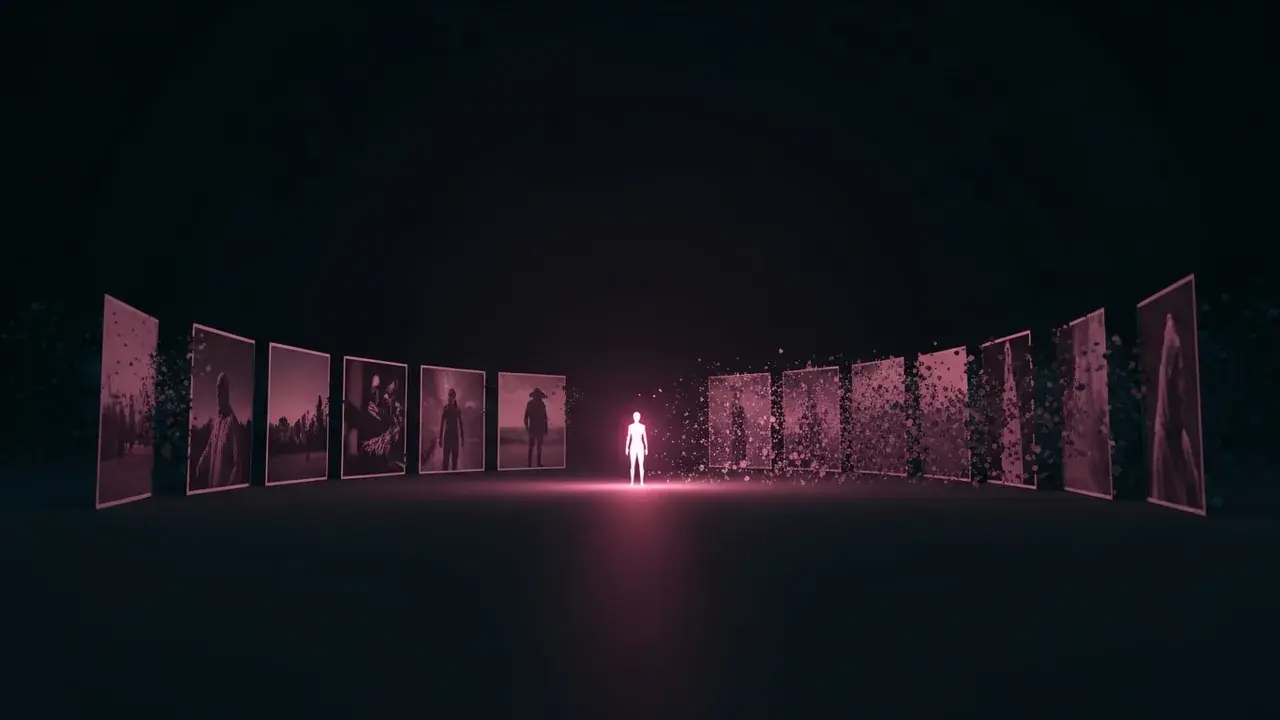
Do dreams sometimes accurately preview future events?
Given how many dreams we have, occasional 'matches' are statistically inevitable and powerfully memorable.
The white-paper layer for this claim
This page is backed by 6 linked sources: 6 verified, 5 primary, 1 direct objection, and 0 methodology anchors. The full source list stays at the bottom so the claim, objections, and citations can be checked together.
The most-discussed modern empirical paper claiming evidence for precognition; directly triggered the Wagenmakers et al. critique and helped catalyse psychology's broader replication-crisis conversation.
Foundational sceptical reply — also helped trigger the broader replication-crisis conversation in psychology.
The most-cited modern meta-analysis on presentiment; central to debate about whether physiology can show anticipatory responses to future stimuli.
What people actually report
The reports exist and deserve examination. The question is how much weight to give them.
The claim that some dreams contain information about future events that the dreamer couldn't have predicted from waking knowledge. Anecdotal cases are abundant — premonitions of accidents, deaths, or random small events — and J.W. Dunne's *An Experiment with Time* tried to systematize the phenomenon. The serious challenge is base-rate: with billions of dreams per night worldwide, coincidences are statistically inevitable.
The strongest arguments in favour
Before examining the objections — here are the reasons thoughtful people take this seriously, regardless of where it ultimately lands.
- 01A small number of pre-recorded dream-matching cases exist in the literature.
- 02Cross-cultural ubiquity of belief.
- 03Subset of presentiment studies show physiological anticipation effects.
The strongest objections
Now the other side. These are the most compelling reasons to remain skeptical.
- 01Hundreds of dreams per year per person creates massive base rate for coincidence.
- 02Memory drift toward 'matches' after the fact is very strong.
- 03Almost no prospectively recorded dreams have been verified.
Where this stands
Having seen the best case on both sides, here is our overall read.
Precognitive dream reports are extremely common and almost entirely accountable by base-rate statistics, selective recall and pattern matching. The few well-documented anomalous cases are interesting but rare.
That careful prospective study of dreams remains a worthwhile research program.
That any specific dream actually predicted a future event.
Phenomenon vs interpretation
The signature distinction. We score the underlying observation separately from the metaphysical framework usually attached to it.
Evidence the reported observation is real.
Evidence the bigger explanation is correct.
Headline score (defaults to phenomenon score for phenomena).
Distance between data and conclusion.
What a thoughtful person might do with this
Record the dream before the event; reserve judgment until then.
How belief in this can go wrong
Vivid coincidences create strong but unjustified confidence in personal precognitive ability.
Audit trail
The 11 internal criteria informing the headline scores. They're not arithmetically averaged — they're the audit trail.
Related research reports
Longer synthesis pages that place this claim inside a wider evidence cluster.
Related claims
Sources & Further Reading
Our goal is to link to original studies, academic sources, and serious critiques wherever possible. Scores are provisional until sources are verified.
Primary sources
Feeling the future: Experimental evidence for anomalous retroactive influences on cognition and affect
The most-discussed modern empirical paper claiming evidence for precognition; directly triggered the Wagenmakers et al. critique and helped catalyse psychology's broader replication-crisis conversation.
Predictive physiological anticipation preceding seemingly unpredictable stimuli: a meta-analysis
The most-cited modern meta-analysis on presentiment; central to debate about whether physiology can show anticipatory responses to future stimuli.
Phantasms of the Living
The canonical historical case base for spontaneous precognition and related psi-style experiences; cited across the field as the starting point for spontaneous-case methodology.
Further reading
Dreams and Dreaming
Reference for any claim involving the cognitive nature of dreams, especially claims that dreams are spiritually revelatory or anomalously predictive.
Parapsychology
Useful general-audience anchor for psi-related claims; gives both the field's self-description and the standard sceptical critique.
Challenging / sceptical perspectives
Why psychologists must change the way they analyze their data: The case of psi: Comment on Bem (2011)
Foundational sceptical reply — also helped trigger the broader replication-crisis conversation in psychology.
Research and sources for this claim
A balanced synthesis of telepathy, precognition, remote viewing, presentiment, psychokinesis, and skeptical methodological objections.
Modern statistical objection source for Bem-style precognition claims.