Plants are conscious
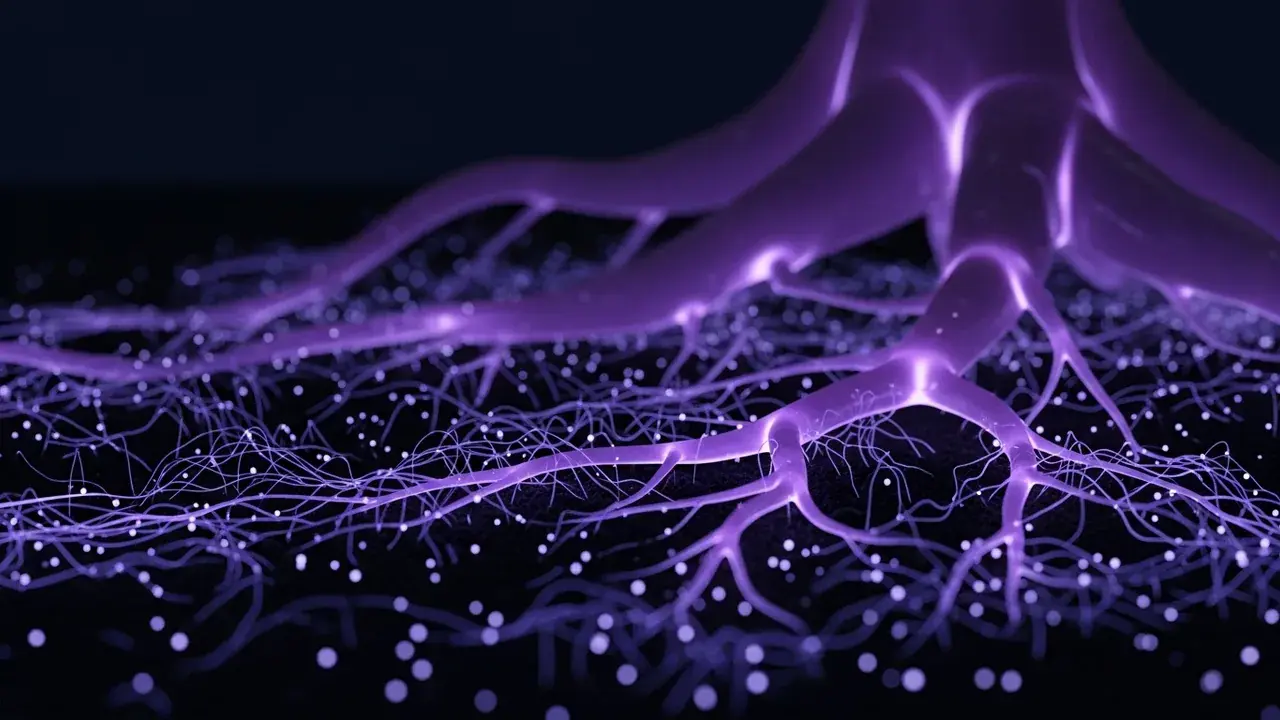
Do plants experience anything?
Plants sense and respond to their environment in sophisticated ways. There is no evidence the lights are on inside.
The white-paper layer for this claim
This page is backed by 6 linked sources: 6 verified, 5 primary, 2 direct objections, and 0 methodology anchors. The full source list stays at the bottom so the claim, objections, and citations can be checked together.
Keeps the plant-consciousness page from confusing complex plant signaling with evidence of felt experience.
Useful pro-plant-cognition context, but it addresses signaling and adaptive behavior rather than subjective experience.
Important for distinguishing plant intelligence from plant consciousness: the former is a live conceptual debate, the latter remains much more speculative.
What people actually report
The reports exist and deserve examination. The question is how much weight to give them.
The idea that plants have some form of inner experience — that they feel, sense, or are aware in a way comparable to animals. Plants demonstrably signal, learn, and respond adaptively to their environment, and a 'plant intelligence' literature has grown around this. The strong claim goes further, suggesting plants don't just process information but actually feel something from the inside, despite having no nervous system or pain-detecting machinery.
The strongest arguments in favour
Before examining the objections — here are the reasons thoughtful people take this seriously, regardless of where it ultimately lands.
- 01Plants display sophisticated chemical signalling and root coordination.
- 02Reactions to threats and resource competition are well documented.
- 03Some researchers (Mancuso and others) argue for cognitive-style processing.
The strongest objections
Now the other side. These are the most compelling reasons to remain skeptical.
- 01No nervous system or anatomy associated with experience.
- 02No nociceptors and no plausible mechanism for pain.
- 03Most claims confuse adaptive behaviour with subjective awareness.
Where this stands
Having seen the best case on both sides, here is our overall read.
Plants have remarkable signalling and adaptive behaviour — but no nervous system, no nociceptor, and no convincing evidence of subjective experience. The 'plant intelligence' literature largely uses 'intelligence' in a behavioural, non-experiential sense.
That plants are far more responsive than older biology assumed.
That plants feel pain, suffer, or have moral status comparable to animals.
Phenomenon vs interpretation
The signature distinction. We score the underlying observation separately from the metaphysical framework usually attached to it.
Evidence the reported observation is real.
Evidence the bigger explanation is correct.
Headline score (defaults to phenomenon score for phenomena).
Distance between data and conclusion.
What a thoughtful person might do with this
Respect plants ecologically; do not transpose animal-style ethics onto them without evidence.
How belief in this can go wrong
Used to muddy debates about animal welfare or to justify woo claims about 'plant communication'.
Audit trail
The 11 internal criteria informing the headline scores. They're not arithmetically averaged — they're the audit trail.
Related claims
Sources & Further Reading
Our goal is to link to original studies, academic sources, and serious critiques wherever possible. Scores are provisional until sources are verified.
Primary sources
Plant neurobiology: an integrated view of plant signaling
Useful pro-plant-cognition context, but it addresses signaling and adaptive behavior rather than subjective experience.
Plants are intelligent, here's how
Important for distinguishing plant intelligence from plant consciousness: the former is a live conceptual debate, the latter remains much more speculative.
Other Minds
Use this as the philosophical background for solipsism and for disputed minds in non-human or artificial systems. It is context, not direct evidence that any specific entity is conscious.
Further reading
Plant cognition
Use this for context around plant intelligence claims. It supports plant responsiveness and signaling, not the stronger claim that plants have subjective experience or pain.
Challenging / sceptical perspectives
Plant neurobiology: no brain, no gain?
Keeps the plant-consciousness page from confusing complex plant signaling with evidence of felt experience.
Plants Neither Possess nor Require Consciousness
Primary skeptical anchor for the plant-consciousness page.