AI systems can be conscious
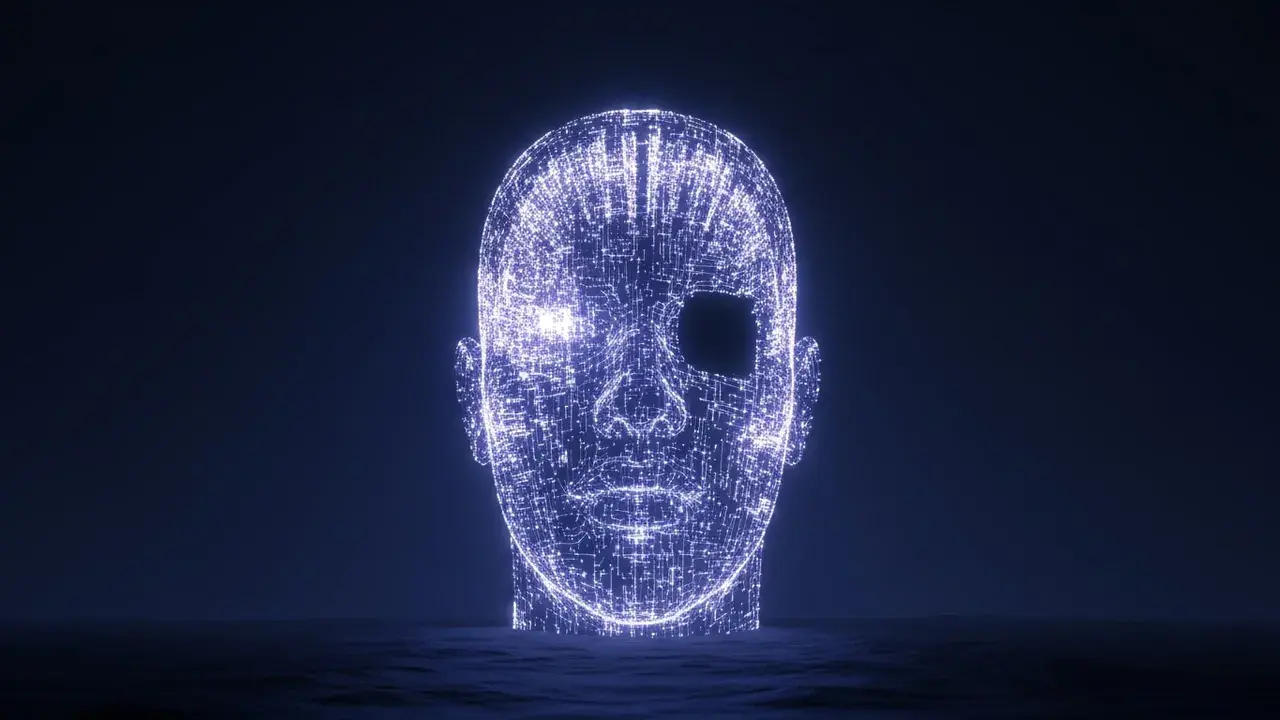
Could a large language model or future AI actually experience anything?
Behaviour is not evidence of inner experience. We have no detector for consciousness in any system we did not already believe to be conscious.
The white-paper layer for this claim
This page is backed by 4 linked sources: 4 verified, 4 primary, 0 direct objections, and 0 methodology anchors. The full source list stays at the bottom so the claim, objections, and citations can be checked together.
Pulls together the conceptual frameworks behind every empirical claim about consciousness.
Functionalism is the implicit metaphysics behind the case that AI could be conscious.
The standard sceptical argument against AI consciousness; required reading for any serious treatment.
What this would mean, if true
This sits in genuinely contested territory from the ground up — both the observation and the interpretation are disputed.
The question of whether artificial systems — current chatbots or future AI — actually experience anything, or only behave as if they do. Behaving intelligently and reporting feelings aren't proof of inner experience; we have no instrument that detects consciousness even in humans, only inference from biology. The claim under discussion is that some AI systems either are conscious now or could be in principle if built the right way.
The strongest arguments in favour
Before examining the objections — here are the reasons thoughtful people take this seriously, regardless of where it ultimately lands.
- 01Major philosophers and AI researchers (Chalmers and others) treat the question as live.
- 02Contemporary models exhibit complex, integrated information processing.
- 03Rejecting it preemptively requires assumptions about substrate that nothing in physics requires.
The strongest objections
Now the other side. These are the most compelling reasons to remain skeptical.
- 01No empirical test for consciousness independent of behaviour.
- 02Linguistic competence is consistent with zero inner experience.
- 03Strong commercial incentives to overstate or understate.
Where this stands
Having seen the best case on both sides, here is our overall read.
Whether current AI is conscious depends entirely on the right theory of consciousness, which we do not have. Treat the question seriously while resisting strong claims either way.
That the question deserves serious philosophical and ethical attention before powerful systems become more capable.
That current chatbots are conscious or that any specific AI system 'feels' anything.
Phenomenon vs interpretation
The signature distinction. We score the underlying observation separately from the metaphysical framework usually attached to it.
Evidence the reported observation is real.
Evidence the bigger explanation is correct.
Headline score (defaults to phenomenon score for phenomena).
Distance between data and conclusion.
What a thoughtful person might do with this
Build moral consideration into AI policy as a precaution; do not project subjectivity onto systems you cannot verify.
How belief in this can go wrong
Anthropomorphism distorts both ethics and engineering; dismissiveness may distort future ethics in the other direction.
Audit trail
The 11 internal criteria informing the headline scores. They're not arithmetically averaged — they're the audit trail.
Related claims
Sources & Further Reading
Our goal is to link to original studies, academic sources, and serious critiques wherever possible. Scores are provisional until sources are verified.
Primary sources
Consciousness
Pulls together the conceptual frameworks behind every empirical claim about consciousness.
Functionalism
Functionalism is the implicit metaphysics behind the case that AI could be conscious.
The Chinese Room Argument
The standard sceptical argument against AI consciousness; required reading for any serious treatment.
Other Minds
Use this as the philosophical background for solipsism and for disputed minds in non-human or artificial systems. It is context, not direct evidence that any specific entity is conscious.